

 Lucy - BQ Magazine Editor
As more of us move away from cash, figuring out how to accept card payments without breaking the bank is a big deal for businesses. We’ve been looking into the different ways you can take card payments in the UK, and it turns out there are quite a few options out there. It’s not just about the big banks anymore; there are some really interesting alternatives that could save us a lot of money. This guide is all about helping us find the cheapest way to take card payments, looking at everything from the fees to the contracts, so we can make the best choice for our business.
Key Takeaways
- Understanding the different types of fees, like interchange, authorisation, and gateway fees, is key to knowing where your money is going.
- Flat-rate pricing can be good for small businesses, while interchange-plus might be better if you process a lot of transactions.
- Mobile payment processors and direct bank payments can offer lower costs and more flexibility than traditional merchant accounts.
- Always check for hidden fees and be wary of long-term contracts that can lock you into expensive deals.
- Negotiating with providers and considering cash discounts can help reduce the overall cost of taking card payments.
Understanding the Costs of Taking Card Payments
Right then, let’s get down to brass tacks about the cost of letting your customers pay with plastic. It’s not exactly a secret that taking card payments isn’t free, and understanding why can save us a fair bit of cash.
Why Card Processing Fees Exist
Basically, these fees exist because a whole bunch of people and systems are involved in making sure your customer’s payment goes through smoothly and securely. Think of it like a relay race for money. The card issuer (like Visa or Mastercard), the payment processor, and your merchant service provider all play a part. They handle the verification, the security checks (like PCI compliance, which is a big one for protecting cardholder data), and generally keeping the whole system running. It’s their way of covering the costs of these services and ensuring everything is above board.
It’s easy to get bogged down in the details, but at its heart, the fee is for the convenience and security of letting someone pay without cash.
Who Charges These Fees?
So, who exactly is dipping into your takings? Well, it’s usually a few different players:
- Card Networks: Companies like Visa, Mastercard, and American Express set their own rates, often called interchange fees. These can vary depending on the type of card and how the transaction happens.
- Issuing Banks: These are the banks that issue the credit or debit cards to your customers. They also take a slice.
- Payment Processors: These are the companies that handle the actual movement of money between the banks and your business. They often add their own fees on top.
- Merchant Service Providers: This is the company you usually sign up with to get your card machine or online payment gateway. They bundle many of these costs together.
Common Types of Processing Fees
When you look at your statement, you’ll see a few different types of charges. It’s worth knowing what they are:
- Interchange Fees: These are usually the biggest chunk and are paid to the cardholder’s bank. They vary based on the card type (debit vs. credit, rewards cards, etc.) and the transaction method.
- Assessment Fees: These are charged by the card networks themselves, often as a small percentage of your total sales.
- Processor Markups: This is the fee your specific payment processor adds on top of the interchange and assessment fees. This is where you often have the most room to negotiate.
- Authorisation Fees: A small fee for each transaction that’s approved or declined.
- PCI Compliance Fees: A charge to ensure your business meets the security standards for handling card data. Some providers include this, others charge extra.
- Monthly Fees: Some providers charge a flat monthly fee for statement access, account management, or other services. We’ll look at how to cut unnecessary services later on.
Navigating Different Payment Processors
Right then, let’s talk about the companies that actually handle your card payments. It can feel a bit like a maze out there, with so many options and different ways they charge us. We need to figure out which ones are going to be kindest to our wallets.
Comparing Flat-Rate vs. Interchange Plus Pricing
When you’re looking at processors, you’ll mostly see two main pricing structures: flat-rate and interchange-plus. Flat-rate is pretty straightforward – you pay a set percentage plus a small fee for every transaction. Think of it like a fixed price for each sale, no matter what kind of card it is. This is often simpler for smaller businesses or those just starting out because it’s easy to predict your costs.
Interchange-plus, on the other hand, breaks down the cost. You pay the actual interchange fee (which is what the card networks like Visa and Mastercard charge) plus a small markup from the processor. This markup is usually a percentage and sometimes a small fixed fee. While it sounds more complicated, it can actually be cheaper if you process a lot of transactions, especially if you have a good idea of your average transaction value. The key is to understand which model suits your business volume best.
Here’s a quick look:
| Pricing Model | Typical Fee Structure | Best For |
|---|---|---|
| Flat-Rate | % of transaction + fixed fee (e.g., 1.75% + 20p) | Small businesses, low transaction volume |
| Interchange-Plus | Interchange fee + Processor markup (e.g., 0.3% + 0.2% + 10p) | Medium to high transaction volume, predictable costs |
Choosing the Right Processor for Your Business Size
So, how do you pick the right one? If you’re just starting out, maybe with a market stall or a small online shop, a processor like Square or Stripe often makes sense. They usually offer that simple flat-rate pricing and don’t tie you into long contracts. You can often get started with just a card reader that plugs into your phone or tablet.
If your business is a bit bigger, processing more sales each month, you might want to look at providers that offer interchange-plus pricing. These can sometimes give you better rates overall, but you’ll need to do a bit more homework to compare them. It’s worth checking out dedicated merchant service providers, as they sometimes have more competitive rates than the big banks.
Understanding Processor-Specific Charges
Beyond the main pricing models, processors can have their own little extras. We’ve seen things like:
- Setup Fees: Some might charge a one-off fee to get your account running.
- Monthly Fees: A fixed charge each month, sometimes for statement generation or account maintenance.
- PCI Compliance Fees: A small fee to ensure you’re meeting security standards for handling card data.
- Terminal Rental: If you get a physical card machine from them, there’s often a monthly rental charge.
It’s really important to read the fine print. We’ve heard stories of businesses getting caught out by unexpected charges that weren’t clearly explained upfront. Always ask for a full breakdown of all potential costs before you sign anything.
Exploring Alternatives to Traditional Card Payments
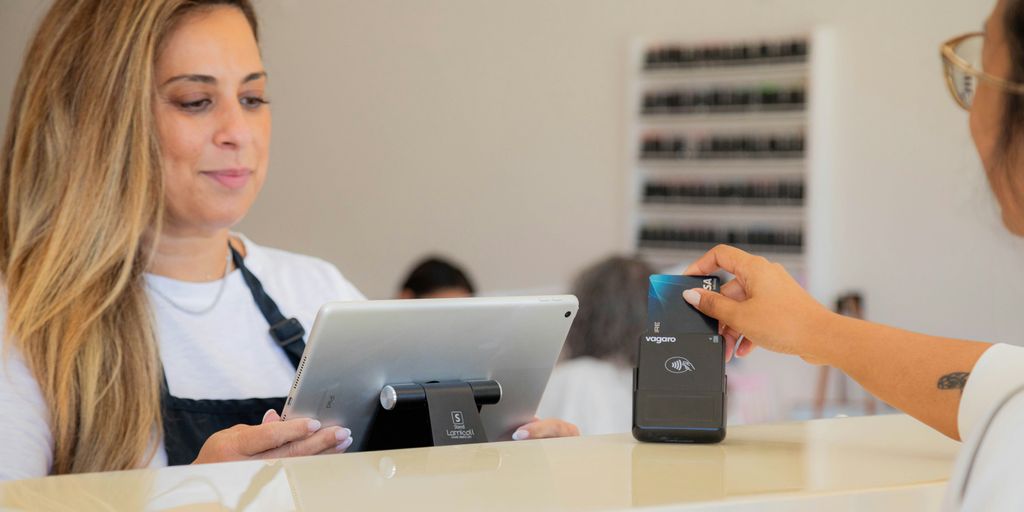
We’re all getting used to a world where cash isn’t king anymore, right? Most of us reach for our cards or phones to pay for things. While accepting card payments is pretty much a must these days, the fees can really start to add up. It makes you wonder if there are other ways to get paid that don’t involve those hefty charges.
The Rise of Mobile Payment Processors
If you’re a small business or just starting out, you’ve probably seen those little card readers from companies like Square or SumUp. They’re great because they often come with a simple, flat-rate fee and don’t tie you into long contracts or expensive monthly charges. You can usually get a basic reader that plugs into your phone or tablet, and there’s an app to go with it. It’s a really accessible way to start taking payments without needing a full-blown merchant account, which can be a bit of a headache and costly for new ventures. These mobile solutions can grow with you, too, so you can add more features as your business expands.
Direct Bank Payments: A Cheaper Alternative?
Have you considered direct bank payments? Services like GoCardless let your customers pay you straight from their bank accounts. This bypasses the card networks entirely, and often, that means significantly lower fees – we’re talking potentially 25% cheaper than card transactions. It’s a neat way to get paid quickly and securely, and it can really help your bottom line. Plus, it means you’re not relying on the card companies for every single transaction, which can sometimes lead to delays or issues.
Accepting payments directly from bank accounts can streamline your cash flow and cut down on those pesky processing fees that eat into your profits. It’s a smart move for businesses looking to keep costs down.
Accepting Payments Without a Physical Machine
Even if you don’t want a physical card reader, you can still take card payments. Some payment service providers (PSPs) offer apps where you can manually enter card details or even use QR codes for in-person payments. This is handy if you’re a market trader or often on the go. It means you don’t need to invest in hardware, and you can still accept payments from customers who prefer to use their cards. It’s all about finding the simplest and most cost-effective way to get paid, whether that’s through a mobile app or a direct bank transfer. We found that looking into payment processing options can really open up your choices.
Strategies to Reduce Your Processing Costs

Look, nobody likes paying fees, and card processing is no different. While you can’t make them disappear entirely, there are definitely ways we can trim them down. It’s all about being smart with our choices and understanding where the money is going.
Negotiating Your Merchant Service Fees
This is probably the most direct way to cut costs. Don’t just accept the first quote you get from a merchant service provider. Remember, the interchange fee is usually set by the card networks themselves, but the processor’s cut? That’s often negotiable. Do your homework, compare offers, and then have a chat with your chosen provider. You might be surprised what you can get them to budge on, especially if you process a decent volume of transactions. It’s worth asking for a breakdown of their charges so you know exactly what you’re paying for.
Offering Cash Discounts
This is a classic move, and for good reason. If a customer pays with cash, you can offer them a small discount. This incentivises cash payments, which means fewer card transactions for you to pay fees on. It’s a simple way to pass some of the processing cost savings directly to your customers, making them happy and saving you money. Just make sure any discount is clearly advertised so there are no surprises.
Cutting Unnecessary Services
Many payment processors bundle services together. You might find yourself paying for features you don’t actually use, like advanced analytics or specific integrations you never touch. Take a good look at your current package. Do you really need that premium support or the extra reporting tools? If not, see if you can switch to a more basic, cheaper plan. It’s like decluttering your digital life – get rid of what you don’t need to save money. We found that by reviewing our monthly statements, we could identify and remove services that weren’t adding any real value to our business, saving us a good chunk each month. It’s a good idea to regularly review your bank balance and expenses to spot these kinds of savings.
Here’s a quick look at what you might be paying for:
- Monthly Fees: Some providers charge a flat monthly fee just to have an account.
- Terminal Rental: If you have a physical card machine, you might be renting it.
- PCI Compliance Fees: A charge to ensure your payment systems meet security standards.
- Gateway Fees: For processing online or virtual transactions.
It’s easy to get locked into contracts that seem okay at first but end up costing more than you expected over time. Always read the fine print and understand what you’re signing up for. Flexibility is key, especially for smaller or growing businesses.
Avoiding Hidden Fees and Long-Term Contracts
We’ve all been there, signing up for something with the best intentions, only to find ourselves trapped in a deal that costs more than we expected. When it comes to taking card payments, this is a real risk. Many processors try to lock businesses into lengthy contracts, often with hefty penalties if you want to leave early. This can be a nightmare if your business needs change or if you find a better deal elsewhere.
The Pitfalls of Lengthy Agreements
Think of it like signing a phone contract for three years when you only want to be there for one. If a better network comes along, you’re stuck. With payment processors, these long-term contracts can mean you’re paying higher rates than you need to, especially as the market changes. It’s vital we don’t get tied down by contracts that stop us from being flexible. If you do need to get out, termination fees can be eye-watering, effectively punishing you for wanting to move on.
Identifying and Avoiding Setup and Monthly Fees
Beyond the contract length, watch out for those sneaky setup fees. Some processors charge a one-off fee just to get you started, which can add up. Then there are the monthly fees. Even if you don’t process many transactions in a given month, you might still be charged a flat monthly fee. We’ve seen businesses pay for services they barely use, just because it was part of the package. Always ask for a clear breakdown of all charges before you commit.
The Importance of Contract Flexibility
What we really want is a contract that works for us, not the other way around. This means looking for processors that offer:
- Month-to-month agreements: This gives us the freedom to leave if things aren’t working out.
- No long-term commitments: Some processors don’t tie you in at all.
- Clear termination clauses: If there are any fees to leave, they should be clearly stated upfront.
We need to be smart about this. If a processor seems too good to be true with its initial offer, it’s worth digging a little deeper into the contract terms. A little bit of caution now can save us a lot of hassle and money down the line.
Optimising for the Cheapest Way to Take Card Payments
Right then, we’ve looked at the costs, the processors, and some clever workarounds. Now, let’s talk about fine-tuning everything to make sure we’re not haemorrhaging money on card payments. It’s all about being smart with our transaction volume, understanding those payment gateway fees, and keeping things above board without breaking the bank.
Evaluating Your Transaction Volume
This is a big one. How many transactions are we actually processing, and what’s the average value? If we’re dealing with a lot of small payments, a flat-rate fee might seem simple, but it could add up. On the flip side, if we have fewer, larger transactions, an interchange-plus model might be more cost-effective. We need to look at our own business patterns, not just what the processor tells us. For instance, if we’re a small market stall with maybe 50 transactions a week, a processor like Square with a simple flat fee is probably our best bet. But if we’re a growing online retailer processing thousands of orders a month, we’d want to explore those interchange-plus options to get closer to the actual cost of each transaction. It’s about matching the pricing structure to our actual usage.
Considering Payment Gateway Fees
These are often tucked away, but they’re important, especially if we do a lot of online business. The payment gateway is essentially the digital tunnel that connects our website to the payment processor. Some processors bundle this in, others charge separately. We need to be clear on what’s included. A gateway fee might be a small percentage per transaction, or a fixed monthly cost. If we’re just starting out and don’t have a website yet, this might not be a concern, but as we grow, it’s a cost we can’t ignore. It’s worth shopping around for gateways that offer competitive rates, or seeing if our chosen processor offers a good deal. Remember, even a fraction of a percent saved here can make a difference over time.
Staying Compliant Without Overpaying
We all know we have to be PCI DSS compliant to protect customer data. That’s non-negotiable. But sometimes, processors try to sell us extra security services or compliance packages that we might not actually need, or that are already covered by our chosen pricing plan. We need to understand what compliance actually entails for our business size and type. Are we handling sensitive data that requires advanced encryption, or is it more straightforward? Don’t pay for services you don’t need just because they sound important. We can often achieve compliance through simpler, cheaper means, perhaps by using a payment processor that handles much of the heavy lifting for us. It’s about finding that sweet spot between robust security and sensible spending. For businesses looking to save money on transactions, exploring direct bank payments can be a good option, as they often bypass many of the traditional card network fees. You can find out more about saving money on financial matters at saving money.
Here’s a quick breakdown of what to look out for:
- Transaction Volume: High volume might favour interchange-plus, low volume might favour flat-rate.
- Online vs. In-Person: Online sales often involve gateway fees.
- Contract Terms: Always check for hidden fees or long-term commitments.
- Included Services: Does the fee cover everything, or are there extras?
We need to be vigilant. It’s easy to get caught out by seemingly small charges that add up. Regularly reviewing our statements and understanding each line item is key to keeping our costs down and our profits up.
So, what’s the takeaway?
Right then, we’ve waded through all the nitty-gritty of taking card payments, and honestly, it’s not as scary as it first seems. We’ve seen how cash is really on its way out, and most customers expect to pay with a card or their phone these days. Whether you’re just starting out or have been trading for a while, finding the cheapest way to accept payments is key to keeping more of your hard-earned cash. From mobile readers that plug into your phone to looking at different pricing structures like flat-rate versus interchange plus, there are loads of options. Don’t forget to think about those little extras like monthly fees or terminal rentals, as they can add up. We reckon the best approach is to figure out what works for your business size and how many transactions you do, then shop around. It might take a bit of time, but getting this sorted means smoother sales and happier customers, without breaking the bank.
Frequently Asked Questions
Why do we have to pay fees when customers use their cards?
These charges exist because the companies that handle card payments, like Visa and Mastercard, and the banks involved need to cover their costs. They ensure transactions are safe and secure, verify payments, and protect your customers’ card details. It’s like a small fee for a secure service.
What’s the difference between flat-rate and interchange plus pricing?
Flat-rate pricing means you pay the same percentage and a small fixed fee for every transaction, which is simple to understand. Interchange plus pricing breaks down the cost, showing you the fee set by the card company (interchange) and then the processor’s own charge. Interchange plus can be cheaper if you process a lot of payments, but flat-rate is often easier for smaller businesses.
Can we accept card payments without a physical machine?
Absolutely! Many services now let you take payments using just your smartphone or tablet. You can either type in the customer’s card details or use a QR code. This is a great, low-cost option for small businesses or when you’re on the go.
Are there ways to lower our card processing costs?
Yes, there are several tricks! We can try to negotiate with our payment provider for better rates, especially if we process a lot of transactions. Offering a small discount for cash payments can also encourage customers to use cash, saving us on fees. We should also make sure we’re not paying for services we don’t actually use.
What should we watch out for in contracts?
It’s crucial to avoid long contracts with hefty fees if we want to leave early. We need to be on the lookout for hidden setup fees, monthly charges, or terminal rental costs that aren’t clearly explained. Flexibility is key, so we prefer deals that let us pay month-to-month or offer easy ways to cancel.
How do direct bank payments compare to card payments?
Direct bank payments, often using systems like Open Banking, can be a cheaper alternative to card payments. They bypass the card networks, which often means lower fees for us. Plus, they can be faster and more secure, making them a really attractive option for many businesses.