

 Lucy - BQ Magazine Editor
One of the most important financial decisions that you will make is when it comes to buying a home. Whether you are looking to move up the property ladder or you are a first-time buyer, you need to ensure that your finances are in check before you jump into buying a property. When you approach it right, you can become a homeowner, which is something that many people dream of.
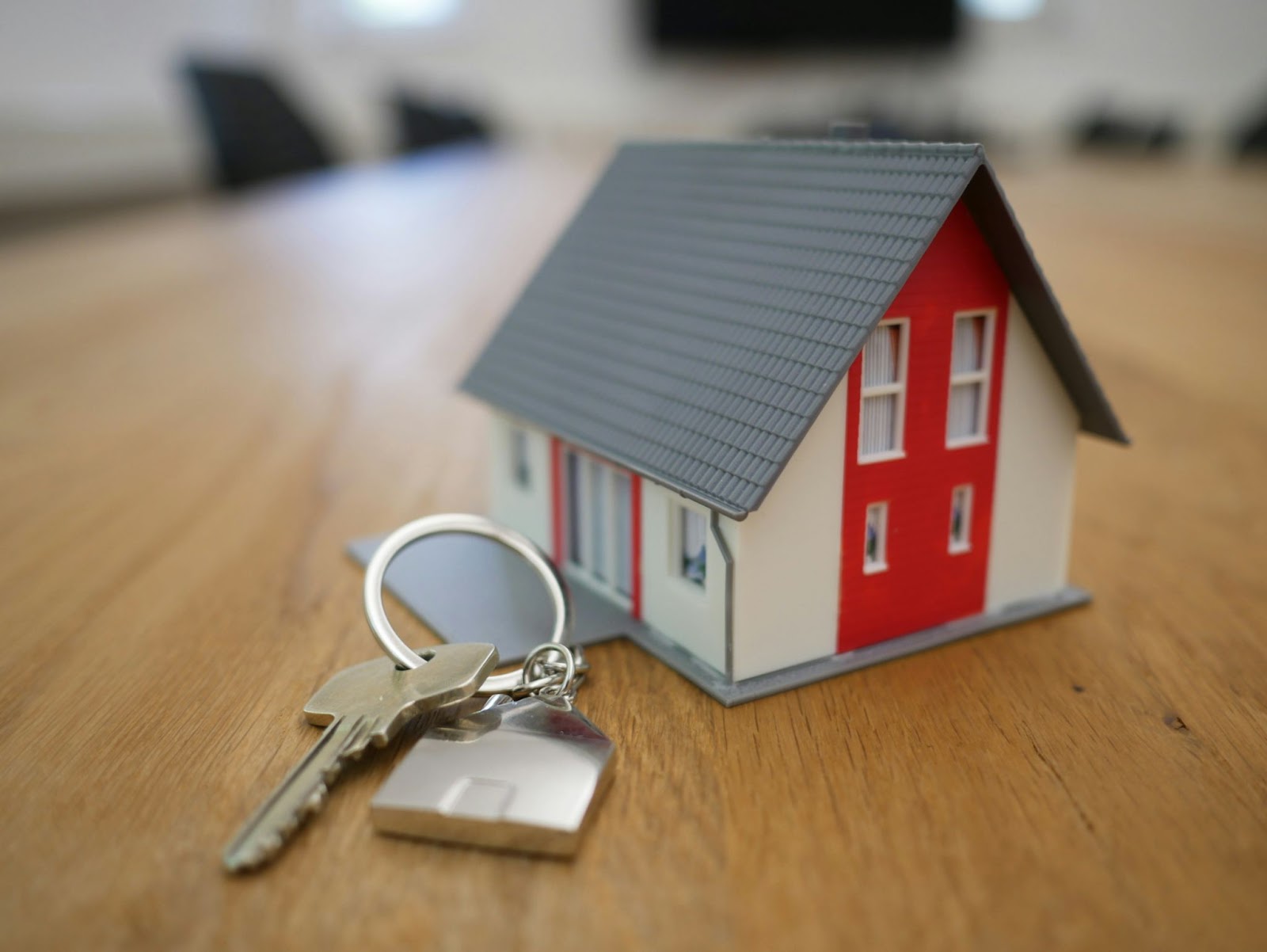
In this guide, we’re going to look at some of the ways that you can make sure your finances are on track and that you can make the right choice when it comes to buying a house.
Look At Your Financial Health
Before you even start shopping for a home, you need to make sure that you have a full understanding of what your current financial situation is. You need to know what your net worth is, which is the difference between your assets and your liabilities. You need to include everything from any investments and savings to any debts that you are paying off, such as student loans or credit cards. When you know what this is, you get an overall picture of what your financial health looks like.
You need to have a look at what your credit score is, as this can make a huge difference when it comes to applying for mortgages. Lenders use your credit score to determine whether you are worthy of having a mortgage. Have a look at getting a free copy of your credit report, and if it’s not on track, make some changes.
Have a look at everything that you have coming in and out, and create a budget that is realistic for you to stick to. When you have an idea of what income and expenses you have coming in and going out every month, you can take a look at some areas where you can make cutbacks. You need to increase your savings and reduce the amount that you need to borrow.
Save For A Down Payment
One of the most important parts of buying a home is your down payment. How much money you are able to save for a down payment can affect your monthly mortgage payments. It’s a good idea to save around 20% of the Holmes purchase price, but there are some options for you to reduce that down to as little as 3%. You need to set yourself a realistic savings goal, so have a look at how much you are able to save over three to five years. The amount that you need to save will also be based on the price of the home that you are looking to buy, so have a look at how much you can afford.
It’s a good idea to cut down on any unnecessary spending while you are saving to buy a property. You may want to consider postponing any holidays, dining out less, and cancelling any unused subscriptions.
Reduce And Manage Debt
When it comes to getting a mortgage, the lender should closely examine your debt-to-income ratio. The lower this is, the more chance you have of getting the mortgage at the rate that you are looking for. You need to prioritise any high-interest debts you have, such as credit cards, as this will improve your debt-to-income ratio and also save you money on interest payments. It’s a good idea to stop taking on new debt while you are saving for a house. A new debt can have a negative impact on your credit score. If you have many different finances that you are paying off, you may want to think about consolidating them so that you can combine them at a lower interest rate.
Contact A Buyer’s Agent
A buyers agent is a real estate professional who is able to help you throughout the home-buying process. You can speak to them about what your wants and needs are for your home, and they will be able to help you find the right house, negotiate with sellers, and also deal with any complicated paperwork. You need to look for an agent who has a good reputation. You may want to ask family and friends for a recommendation before you use an agent.
Get Pre-Approved For A Mortgage
A pre-approved mortgage shows sellers that you are serious about buying a home, and it also gives you a really good idea of how much you can afford. If you want to get pre-approved, you need to speak to the lenders and provide them with documents such as your payslips, tax returns, and bank statements. Your pre-approval amount will usually be the maximum amount that the lender is willing to offer you. However, this does not mean that you need to spend your own money; you should still stick to a budget that enables you to live comfortably and have a realistic budget. When you are pre-approved, some lenders allow you to lock in your interest rate for a certain period. If you find a good interest rate, this is beneficial, as it means that you don’t risk your interest rate when you are shopping for a home.
Think About Additional Costs
When you are thinking about the budget for buying a home, you also need to think about other things, not just the purchase price. You need to think about closing costs, which are usually between two and five per cent of the home purchase price. And you also need to think about things like inspections, title insurance, and appraisals. Once you have secured your home, you also need to factor in any moving expenses or maintenance repairs that you may need to make.
Conclusion
You must get your finances on track when it comes to buying a home. If you have a clear understanding of what it costs to buy a house and you prepare for the future and think about your budget, then you will be able to go through the home-buying process with confidence.