

 Lucy - BQ Magazine Editor
We’ve been looking at the big players in the online world, and it’s clear that Amazon isn’t the only one calling the shots anymore. It’s fascinating to see how other companies are stepping up, especially as we head into 2025. We’ve gathered some insights into who’s really making waves and challenging Amazon across different areas, from online shopping to cloud services. It’s a busy market out there, and knowing who the main competitors of Amazon are is pretty important if you’re trying to get a handle on where things are headed.
Key Takeaways
- Amazon faces significant competition from Walmart, Alibaba, Shopify, and Microsoft Azure across retail and cloud markets in 2025.
- Walmart leads US omnichannel retail with over 10,500 stores, challenging Amazon’s dominance.
- Alibaba controls more than half of China’s e-commerce market, representing a major competitor internationally.
- Shopify supports 4.6 million direct-to-consumer brands worldwide, empowering sellers outside Amazon’s platform.
- Microsoft Azure holds 23% of the cloud market share, competing closely with AWS’s 32% share.
1. Walmart
Right then, let’s talk about Walmart. When we think about who’s really going toe-to-toe with Amazon, Walmart is definitely one of the first names that springs to mind. They’ve got this massive physical presence, you know, all those stores dotted around, which gives them a real advantage. It’s not just about having shelves stocked; it’s about how they’re blending that with their online game. They’re pushing this omnichannel thing hard, letting people buy online and pick up in store, or get things delivered super quickly from their local branches. It’s a smart move because it taps into what people want: convenience and speed.
We’ve seen them really ramp up their e-commerce side, and it’s paying off. Their online sales are growing, and they’re not just competing on price, though that’s always a big part of the Walmart appeal. They’re also trying to offer a better shopping experience overall. It’s interesting to see how they’re trying to match Amazon’s delivery speeds and selection, but from a different starting point. Walmart’s sheer scale and its deep roots in communities across the country make it a formidable rival.
Here’s a quick look at how they stack up in some key areas:
- Store Count: Over 4,700 stores in the US alone.
- Delivery: Aiming for same-day delivery to a huge chunk of the US population.
- Online Growth: Their e-commerce division is seeing serious year-over-year increases.
- Omnichannel: They’re a leader in letting customers choose how they shop – online, in-store, pick-up, delivery.
They’re investing heavily in their logistics and online platforms, trying to make it as easy as possible for customers to shop with them, whether that’s through their app or popping into a store. It’s a massive undertaking, but you can see the effort.
It’s not always a straightforward fight, though. While Amazon might have the edge in pure online tech and a vast global network, Walmart’s ability to get products into people’s hands quickly through its physical stores is something Amazon is still working to fully replicate. Plus, their membership program, Walmart+, is growing, aiming to lock in customers just like Prime does. We’re watching closely to see how these strategies play out in the coming year, especially as they both try to capture more of our shopping spend. It’s a fascinating space to keep an eye on, and understanding how businesses like Walmart are adapting is key to seeing where the market is heading. For more on how businesses manage their customer relationships, looking into CRM tools can offer some insight into the backend operations that support these retail giants.
2. Alibaba
Right then, let’s talk about Alibaba. When we think about who’s really going toe-to-toe with Amazon, Alibaba just has to be on the list. They’re massive, especially if you’re looking at the Asian market, but their reach is global, make no mistake.
Alibaba isn’t just one thing, either. They’ve got a few different platforms, like Taobao and Tmall, which are huge for consumers in China, and then there’s AliExpress, which is more for international buyers looking for wholesale deals. It’s a bit different from Amazon’s model, focusing a lot on B2B and C2C, alongside their B2C efforts.
What really sets them apart is their strength in wholesale. If you’re a business owner looking to buy in bulk, Alibaba is often the go-to place for getting products at seriously low prices. We’re talking about potentially getting electronics for just a few quid each if you buy enough.
Here’s a quick look at how they stack up in some areas:
| Platform | Focus | Geographic Strength | Seller Advantage |
|---|---|---|---|
| Alibaba | B2B, B2C, C2C; Wholesale | China, Asia-Pacific | Wholesale Access |
| Amazon | B2C, Marketplace | Global (excl. China) | FBA Infrastructure |
While Amazon has the edge in global logistics and customer service that we’re all used to, Alibaba’s deep understanding of local markets, particularly in Asia, is something else entirely. They’ve built a whole ecosystem around their e-commerce, which is pretty impressive. It’s not just about selling stuff; it’s about how they integrate everything else.
3. Shopify
When we talk about Amazon rivals, Shopify absolutely has to be on our radar. It’s a bit of a different beast, really. Instead of being a massive marketplace where everyone sells their stuff, Shopify gives you the tools to build your own online shop. Think of it like this: Amazon is a giant shopping mall, and Shopify is like getting the keys to your own storefront within that mall, but you can also just set up shop on any street you like.
We’ve seen a lot of sellers move to Shopify because it offers so much more control over their brand and customer relationships. You’re not just another seller lost in the Amazon crowd; you’re building your own brand identity. Plus, the fees can often be more predictable, especially if you’re driving your own traffic.
Here’s a quick look at how it stacks up against Amazon in some key areas for sellers:
| Feature | Amazon | Shopify |
|---|---|---|
| Platform Fees | ~15% + FBA fees | 2.9% + 30¢ processing (plus plan fees) |
| Traffic Source | Amazon’s customer base | Primarily self-generated |
| Brand Control | Limited | Complete ownership |
| Customer Data | Restricted access | Full access |
| Fulfillment | FBA (Fulfillment by Amazon) | Integrates with 3PLs, own logistics |
Shopify’s real strength lies in its direct-to-consumer (DTC) model. This means you own the customer journey from start to finish. You get all the data, you control the marketing, and you build that direct connection. It’s a different strategy, but for many, it’s a more sustainable one in the long run. We’ve seen businesses pivot to Shopify and really thrive because they’re not subject to Amazon’s ever-changing rules and fee structures. It’s about building an asset that’s truly yours, not just renting space on someone else’s platform. If you’re serious about building a brand, Shopify is a platform worth serious consideration.
4. Microsoft Azure
When we look at the big players in cloud computing, Microsoft Azure is definitely one we can’t ignore. It’s really gone from strength to strength, offering a whole suite of services for businesses wanting to build, test, and manage their applications. What’s interesting is how well it plays with other Microsoft products – if your company is already heavily invested in the Microsoft ecosystem, Azure often feels like a natural fit.
We’ve seen Azure really push its hybrid cloud solutions, which is a smart move. It means businesses can use a mix of their own data centres and the cloud, giving them flexibility. It’s not just about having the services, though; it’s about how they’re delivered and supported. Microsoft’s long-standing relationships with big companies certainly help them here.
It’s a close race in the cloud space, and Azure is right there, challenging the status quo.
- Computing Power: Offers virtual machines and serverless computing.
- Storage Solutions: Provides various options from object storage to file storage.
- Databases: Supports SQL, NoSQL, and managed database services.
- Networking: Includes virtual networks, load balancing, and VPN gateways.
While AWS might have a head start and a larger market share overall, Azure is making serious inroads, particularly in the enterprise sector. Its integration capabilities and focus on hybrid environments give it a distinct edge for many organisations.
We’re seeing Azure’s market share grow, and it’s a testament to their strategy. For businesses looking for robust cloud infrastructure, Azure is a strong contender that’s definitely worth considering alongside other major providers.
5. eBay
Right then, let’s talk about eBay. It’s been around for ages, hasn’t it? Feels like we all had an account back in the dial-up days. While Amazon has really gone all-in on the whole ‘everything for everyone, delivered tomorrow’ vibe, eBay has stuck to its guns, focusing on auctions and, well, unique stuff. We’ve seen them really lean into giving sellers more control, which is a big deal when you’re trying to make a living online.
They’ve got a different fee structure, which can be a real plus for sellers. We’re talking about final value fees that often come in lower than what Amazon charges, especially when you factor in all the extra bits like fulfilment costs. It means more money stays in your pocket, which is always a good thing, isn’t it?
Here’s a quick look at how they stack up against Amazon for sellers:
| Feature | eBay | Amazon |
|---|---|---|
| Fee Structure | ~13.25% final value fee | ~15%+ referral fees + FBA costs |
| Seller Control | Higher listing control | More restricted |
| Item Focus | Auctions, unique, second-hand items | New items, mass-market |
| User Base (2023) | ~135 million active users | ~310 million active users |
They’re not trying to be Amazon, and that’s their strength. By focusing on auctions and a wider variety of items, including a lot of pre-loved or collectible goods, they’ve carved out a solid niche. It’s a place where you can still find a bargain or sell something a bit out of the ordinary.
Plus, they’re making it easier for sellers to manage their businesses, offering more flexibility than you might find elsewhere. It’s definitely a platform worth keeping an eye on, especially if you’re a seller who values a bit more autonomy. We’re seeing a lot of movement in how businesses are using AI, and platforms like eBay are no exception in how they’re adapting their strategies. It’s all about staying competitive in this fast-moving digital world.
6. Target
Target is definitely a big player we need to keep an eye on, especially with their focus on the in-store experience. While Amazon is all about digital convenience, Target really leans into making their physical stores a destination. They’ve got about 1,900 locations, mostly in urban areas, and they’re smart about using them to draw people in.
One of their clever moves is partnering with popular brands, like Ulta Beauty. This brings in shoppers who might not have come in otherwise, and it gives them a reason to visit that Amazon, with its purely online model, just can’t match. It’s a different kind of competition, really. They’re not just selling products; they’re selling an experience, and that’s something we’ve seen work really well.
Their strategy seems to be about creating a more curated and engaging shopping trip, which is a stark contrast to the often overwhelming scale of Amazon’s marketplace. It’s about quality over sheer quantity in many ways.
We’ve noticed they’re also pretty good at integrating their online and offline presence. Things like their drive-up and in-store pickup options are really convenient for customers. It’s this kind of omnichannel approach that makes them a formidable competitor. They’re making it easy for people to shop how they want, when they want. It’s a solid strategy for customer retention that Amazon also focuses on, but Target does it with a physical footprint advantage.
7. Costco
Right then, let’s talk about Costco. We all know the drill with Costco, don’t we? It’s that place where you go in for a pack of toilet paper and somehow walk out with a giant inflatable flamingo and enough cheese to feed a small army. Their whole membership model is pretty clever, really. You pay a fee, and in return, you get access to these massive warehouses packed with everything imaginable, usually at prices that make you do a double-take.
What’s interesting is how they stack up against Amazon. While Amazon is all about speed and convenience, often with next-day delivery, Costco leans into the bulk-buying, treasure-hunt experience. Their 90%+ membership renewal rate is seriously impressive, showing how much people value what they offer, often outperforming even Amazon Prime’s retention figures.
Here’s a quick look at how they compare in some areas:
| Retailer | Store Count | Membership Program | Primary Draw |
|---|---|---|---|
| Amazon | 600+ (Fresh/Go) | Prime | Convenience, vast selection |
| Costco | 580+ | Executive/Gold | Bulk savings, quality products |
Costco’s strategy isn’t just about selling stuff; it’s about creating a destination. The limited selection of high-quality items, especially their own Kirkland Signature brand, really builds trust. Plus, those impulse buys you make while navigating the aisles? They’re part of the fun, and frankly, a big part of their revenue. It’s a different kind of customer relationship than Amazon’s digital-first approach, focusing more on the physical experience and the perceived value of membership. We’ve seen how small business owners can increase profits by focusing on customer relationships, and Costco seems to have mastered that in its own unique way. They’re definitely a major player we need to keep an eye on as the retail landscape continues to shift.
8. Kroger
When we think about who’s really going toe-to-toe with Amazon in the grocery aisle, Kroger definitely deserves a spot on our list. They’re not just some small-town supermarket; Kroger is a massive player, operating a whole bunch of well-known chains like Ralphs and Harris Teeter across the US. What’s interesting is how they’re tackling the online grocery game. They’ve teamed up with Ocado, a UK company, to build some seriously automated warehouses. This means they’re getting smarter about how they handle online orders and deliveries, which is pretty much essential these days.
Kroger’s also big on keeping customers coming back. They’ve got this really solid loyalty program, and they’re good at sending out personalised deals. Plus, they really push their fresh and organic stuff, which is a big draw for a lot of shoppers who might otherwise be tempted by Amazon’s offerings. It’s all about making the shopping experience feel a bit more personal and focused on quality.
They’re really trying to blend the best of both worlds – the convenience of online shopping with the appeal of fresh, quality groceries, all while trying to keep prices competitive. It’s a tough balancing act.
We’ve seen them invest a lot in tech to make things smoother, both for their staff and for us shoppers. It’s clear they understand that to compete with giants like Amazon, you can’t just stand still. They’re actively working on improving their e-commerce capabilities, which is key for staying relevant in the modern retail landscape. It’s fascinating to watch how they’re adapting and innovating to keep their place in the market, especially when you consider the sheer scale of Amazon’s grocery business.
9. Google Cloud Platform
When we talk about cloud computing, Google Cloud Platform, or GCP as it’s often called, is definitely a big player we can’t ignore. It’s built on the same solid infrastructure that powers Google’s own services, which is pretty impressive when you think about it. They’ve really leaned into their strengths, particularly in areas like data analytics and machine learning. This makes GCP a really attractive option for businesses that are serious about using data to drive decisions or are looking for advanced AI capabilities.
What sets GCP apart for us is its commitment to open-source technologies and its approach to multi-cloud strategies. It feels like they’re trying to play nicely with others, which can be a breath of fresh air in this often-exclusive market. Plus, their focus on security is top-notch. We’ve seen GCP really make strides in offering competitive pricing, often with flexible pay-as-you-go options and discounts for longer commitments. It’s a strong contender against AWS, especially for those who are already embedded in the Google ecosystem or need those advanced data tools.
GCP’s integration with other Google services, like Workspace and Google Analytics, offers a cohesive experience for many businesses.
Here’s a quick look at how GCP stacks up in some key areas:
- Data Analytics: Unrivalled tools for processing and analysing large datasets.
- Machine Learning & AI: Access to cutting-edge AI models and tools.
- Open Source: Strong support for open-source projects and technologies.
- Global Infrastructure: Extensive network of data centres worldwide.
While AWS might still hold the crown for market share and the sheer breadth of services, GCP is certainly carving out its own significant space. For businesses prioritising advanced analytics and AI, or those looking for a more open and flexible cloud environment, GCP is absolutely worth a closer look. We’re seeing it become a go-to for companies wanting to stay ahead of the curve with their data strategies, and it’s a smart move to keep an eye on their SEO trends as they continue to innovate.
10. IBM Cloud
When we talk about cloud computing, IBM Cloud often comes up, and for good reason. They’ve been around the block, you know? While Amazon Web Services (AWS) might get a lot of the headlines, IBM Cloud is a serious contender, especially for businesses that need that hybrid cloud approach. They really doubled down on this after acquiring Red Hat, which was a smart move.
What makes them stand out is their focus on enterprise-level solutions. They’re not just offering raw computing power; they’re building out services that integrate AI and data security in ways that appeal to bigger companies. It’s about providing robust, reliable infrastructure, often tailored for specific industries. We’ve seen them make big pushes in areas like financial services and healthcare, where data privacy and compliance are absolutely paramount.
It’s interesting to see how they stack up against the giants. While AWS still holds a significant chunk of the market, IBM Cloud, alongside Microsoft Azure and Google Cloud Platform, is definitely part of the conversation. They’re not necessarily trying to be everything to everyone, but where they focus, they’re pretty strong.
IBM Cloud’s strategy seems to be about leveraging its long-standing relationships with large corporations and its deep understanding of complex business needs. They’re not just selling cloud services; they’re selling a partnership built on trust and industry knowledge.
Here’s a quick look at how they’re positioned:
- Hybrid Cloud Strength: Their integration with Red Hat’s OpenShift platform is a big deal for companies wanting to mix public and private cloud environments.
- AI and Data Focus: IBM is heavily investing in AI capabilities, aiming to make its cloud platform smarter and more insightful for businesses.
- Enterprise Clientele: They have a solid base of existing enterprise customers who are migrating their workloads to IBM Cloud.
For businesses looking for a cloud provider that understands the intricacies of enterprise IT and offers a strong hybrid strategy, IBM Cloud is certainly worth a look. It’s a different flavour of cloud compared to the hyperscalers, and that’s often exactly what’s needed. We’re seeing a lot of companies test their applications on platforms like this before a full launch, which is a smart way to approach it.
11. Netflix
When we think about streaming, Netflix is pretty much the first name that pops into our heads, isn’t it? They’ve been doing this for ages, really setting the standard for what a streaming service should be. While Amazon Prime Video has its own massive library and the added bonus of Prime membership perks, Netflix just keeps churning out original content that gets everyone talking. It’s a constant battle for our eyeballs and our subscription fees.
We’ve seen their pricing change over the years, with different tiers to suit various budgets, generally ranging from about £6.99 to £22.99 a month. It’s a smart move, really, offering options. Amazon might win on the sheer breadth of its content and those extra Prime benefits, but Netflix’s strength lies in its original programming and that slick, easy-to-use interface. They’ve really mastered the art of keeping us hooked.
It’s interesting to see how they’ve both performed. For instance, both Netflix and Amazon reported strong first-quarter 2025 results, showing just how much people are still investing in these services. Netflix really blew past earnings expectations, which tells us their strategy is working. We’re all still subscribing, aren’t we?
Here’s a quick look at how they stack up against each other in terms of what they offer:
- Netflix: Known for a vast library of TV shows, movies, and a huge amount of original content. They’re constantly innovating.
- Amazon Prime Video: Integrates with Amazon Prime, offering a wide range of content alongside other Prime benefits like fast shipping.
- Disney+: Leverages massive franchises like Marvel and Star Wars, focusing heavily on family-friendly content.
We’re all part of this massive shift in how we consume entertainment. It’s not just about having a TV anymore; it’s about having access to whatever we want, whenever we want it, and Netflix has been a massive part of making that happen. They’ve built a real empire on binge-watching.
12. Disney+
When we talk about streaming, Disney+ is definitely a big hitter that we can’t ignore. It’s really carved out its own space, hasn’t it? They’ve got this incredible vault of content that appeals to pretty much everyone, from the little ones to us adults who grew up with these stories. Their strategy of bundling beloved franchises like Marvel, Star Wars, and Pixar under one roof is pure genius. It’s not just about watching a movie; it’s about tapping into a whole universe of characters and stories that people feel a real connection to.
We’ve seen them really lean into exclusive releases, which keeps people subscribed and talking. It’s a smart move because, let’s face it, in the streaming world, having that must-watch content is key. They’re not trying to be everything to everyone like some others; they’re focusing on what they do best, and they do it exceptionally well. It makes them a really strong contender against services that offer a broader, but perhaps less focused, library.
It’s fascinating to see how Disney+ has managed to build such a dedicated following so quickly. They’ve tapped into nostalgia and created new must-see series, making it a go-to for family entertainment and beyond.
Their pricing is also pretty competitive, especially when you consider the sheer volume of quality content available. Often, you can find bundles that include other services, adding even more value. It’s a different approach to Amazon’s, which ties streaming into its wider Prime membership benefits, but it works for Disney. We’re definitely keeping an eye on how they continue to expand their offerings and maintain that strong connection with their audience. For anyone looking for that specific kind of magic, Disney+ is a solid choice, and you can find out more about their streaming service on their website.
13. Hulu
When we talk about streaming services that really give Amazon Prime Video a run for its money, Hulu definitely deserves a spot on our list. It’s not just another place to watch shows; it’s got this unique mix of on-demand content and live TV options that a lot of people find really appealing. We’ve seen how they’ve built up a solid library, including current season episodes from many broadcast networks, which is something Amazon doesn’t always do as readily. Plus, their original series have been gaining serious traction, attracting a dedicated following.
What sets Hulu apart for us is its flexibility. You can get a pure on-demand service, or you can bundle it with live TV channels, which is pretty handy if you’re trying to cut the cord but still want access to live sports or news. It’s a different approach than Amazon’s, which is more integrated into the broader Prime membership. Hulu’s strategy seems to be about offering a focused, high-quality streaming experience, and it’s working.
- On-demand library: A wide selection of current and past seasons of TV shows, plus movies.
- Live TV option: Access to numerous live channels, sports, and news.
- Original content: Growing slate of critically acclaimed original series and films.
We think Hulu’s ability to cater to different viewing habits, whether you’re a binge-watcher or someone who likes to keep up with shows weekly, makes it a really strong contender. It’s a service that understands its audience and provides a compelling alternative to what Amazon offers in the streaming space. For those looking for a comprehensive streaming package, Hulu is certainly worth a look, especially when considering its partnership with Disney.
14. Etsy

When we think about unique, handmade, or vintage finds, Etsy immediately springs to mind. It’s a bit of a different beast compared to Amazon, really focusing on the makers and the collectors of one-of-a-kind items. We’ve seen sellers flock to Etsy because it offers a more personal touch, allowing them to really tell their story and connect with buyers who appreciate that. It’s not just about the transaction; it’s about the craft.
Etsy’s fee structure is also quite different. They charge a listing fee, which is pretty small, and then a transaction fee. It’s generally lower than Amazon’s overall cut, especially if you’re not using Amazon’s fulfillment services. For instance, their transaction fee is around 6.5%, plus a small listing fee. This can make a big difference for small businesses trying to keep costs down.
We’ve noticed that Etsy really shines in its niche categories. While Amazon has its Handmade section, Etsy’s entire platform is built around these kinds of goods. This means buyers are actively searching for these specific items, making it easier for sellers to get discovered. It’s a marketplace where creativity is the main currency.
The platform fosters a strong sense of community among sellers, which is something you don’t always find on larger, more corporate marketplaces. This supportive environment can be incredibly beneficial for new sellers.
Here’s a quick look at how Etsy stacks up in some areas:
- Niche Focus: Specialises in handmade, vintage, and craft supplies.
- Seller Community: Strong emphasis on maker stories and buyer connections.
- Fee Structure: Generally lower transaction fees compared to Amazon, plus listing fees.
- Customisation: Offers more flexibility for personalising shopfronts.
While Amazon might offer a broader customer base and more advanced logistics, Etsy provides a dedicated space for artisans and collectors. It’s a fantastic option for anyone looking to sell or buy items with a personal touch, and it’s definitely a competitor we keep an eye on. Many sellers find it a great starting point, and some even use it alongside other platforms like eBay for craft sellers to diversify their reach.
15. Amazon Web Services
Right then, let’s talk about Amazon Web Services, or AWS as we all know it. It’s pretty much the engine room for a huge chunk of the internet, and honestly, it’s where Amazon really makes its serious money. While we might think of Amazon for our shopping or binge-watching, AWS is the powerhouse providing computing power, storage, and all sorts of other techy bits to businesses all over the shop.
It’s not just Amazon running on AWS, though. Loads of other companies, big and small, rely on it. Think about it: when you use an app or a website, there’s a good chance AWS is handling the heavy lifting behind the scenes. AWS has been a massive growth driver for Amazon, contributing a huge amount to its profits.
Now, it’s not like they’re the only game in town. The cloud computing world is pretty crowded. We’ve got Microsoft Azure nipping at its heels, and Google Cloud Platform is right there too, offering similar services. Azure, for instance, does a cracking job of integrating with all the Microsoft stuff businesses already use, which is a big draw for them. Google Cloud, on the other hand, is known for its smarts in data analysis and machine learning. It’s a real race to see who can offer the best tools and the most reliable infrastructure.
The competition in this space is fierce, and it’s actually a good thing for us as users and for businesses. It means more innovation, better pricing, and a wider range of choices when it comes to cloud services. We’re seeing companies trying to outdo each other with new features and more competitive pricing models.
Here’s a quick look at how the big players stack up:
- Amazon Web Services (AWS): Still the market leader, known for its vast range of services and extensive infrastructure.
- Microsoft Azure: Strong contender, especially with its deep ties into the Microsoft enterprise ecosystem.
- Google Cloud Platform (GCP): Excels in data analytics, machine learning, and AI, appealing to tech-forward businesses.
It’s fascinating to watch how these giants compete. They’re constantly pushing the boundaries, which ultimately benefits everyone who uses their services. For businesses looking to get their own online presence sorted, understanding these cloud providers is key, and there are some great resources out there to help you get started with things like e-commerce development. It’s important to consider the best fit for your needs.
16. Jet.com
Remember Jet.com? It feels like ages ago, but back in its day, it was quite the contender, trying to shake things up in the online retail space. We recall it as a place that really pushed the idea of saving money through smart shopping, offering discounts for buying in bulk or paying with a debit card. It was all about making the online shopping basket a bit lighter on the wallet.
Their whole angle was to undercut Amazon on price by being smarter about the checkout process. They’d offer these “smart savings” based on things like your location and how you paid. It was a bit of a game, trying to figure out the cheapest way to get your stuff.
Jet.com tried to compete by focusing on a slightly different customer, one who was really keen on squeezing every last penny out of their purchases. They offered a range of everyday items, aiming to be a go-to for household essentials and more. While they didn’t quite have the sheer variety of Amazon, they carved out a niche.
We saw them try a few different things to stand out:
- Smart Savings: The core of their strategy, offering discounts at checkout.
- Membership Perks: Similar to other platforms, they had ways to offer better deals to frequent shoppers.
- Focus on Value: They aimed to be the place for good deals on a wide array of products.
Ultimately, Jet.com was acquired by Walmart in 2016. While the brand itself has largely faded, its innovative approach to online pricing did influence how other retailers thought about customer savings. It’s a good reminder that even if a platform doesn’t stick around, its ideas can still have an impact on the market, much like how new approaches are changing online dating all the time.
17. Tmall
When we talk about online retail giants, Tmall often pops up, and for good reason. It’s part of the Alibaba Group, and it’s basically their go-to for brands wanting to sell directly to consumers in China. Think of it as a premium, curated marketplace where established brands, both Chinese and international, set up shop. We’ve seen brands use Tmall to really tap into the massive Chinese market, offering everything from high-end fashion to electronics.
What’s interesting is how it differs from Amazon. While Amazon is a bit of a free-for-all with third-party sellers, Tmall is much more controlled. Brands have to apply to sell there, and it’s all about building a brand presence. This means you get a more polished shopping experience, and the products are generally more reliable, which is a big draw for Chinese consumers.
We’ve noticed that for businesses looking to get a foothold in China, Tmall is often the first port of call. It’s not just about shifting units; it’s about brand building and reaching a huge, engaged customer base. They’ve got a massive number of active users, way more than Amazon has in many markets, and these users are keen to buy from reputable brands.
Tmall’s focus on brand authenticity and a controlled marketplace environment makes it a distinct competitor to Amazon’s more open model, especially within the Chinese market.
Here’s a quick look at how it stacks up in terms of scale:
| Platform | Primary Focus | Key Differentiator | Estimated Market Presence |
|---|---|---|---|
| Tmall | B2C E-commerce (Brands) | Curated marketplace, brand control | Dominant in China |
| Amazon | Global E-commerce | Vast selection, Prime ecosystem | Global, strong in North America & Europe |
For us, understanding these different approaches is key. Tmall’s success shows that a more brand-centric, controlled environment can really work, especially when you’re targeting a specific, large market like China. It’s a different game to Amazon’s, but one that’s clearly paying off for many businesses.
18. AliExpress
When we think about getting a good deal on just about anything, AliExpress often pops into our heads. It’s part of the massive Alibaba group, and it’s basically a go-to for a huge variety of products, often at prices that make you do a double-take. We’ve all probably ordered something from there at some point, right?
AliExpress really shines when you’re looking for those smaller, often cheaper items, or when you’re buying in bulk directly from manufacturers. It’s a bit of a different beast to Amazon; while Amazon is all about convenience and speed for the everyday shopper, AliExpress is more about the hunt for a bargain. You can find almost anything, from phone accessories and clothing to home gadgets and bits for your hobbies.
It’s a bit of a mixed bag when it comes to comparing it directly with Amazon. Amazon’s got the logistics and customer service down pat, making returns and support pretty straightforward. AliExpress, on the other hand, can sometimes mean longer shipping times and a bit more effort if something goes wrong. But, if you’re patient and know what you’re looking for, the savings can be pretty significant.
We’ve found that for certain types of products, especially those that are more niche or less time-sensitive, AliExpress offers a compelling alternative to Amazon’s more mainstream approach. It’s all about knowing where to look and what to expect.
Here’s a quick look at what makes it stand out:
- Vast Product Selection: Seriously, it’s enormous. You can find everything from electronics and fashion to toys and car parts.
- Direct from Manufacturers: Many sellers are actual manufacturers, cutting out middlemen and potentially lowering costs.
- Global Marketplace: It connects buyers with sellers from all over the world, offering a truly international shopping experience.
- Price Point: Often significantly cheaper than what you’d find on Western platforms, especially for unbranded or generic goods.
19. Amazon Go
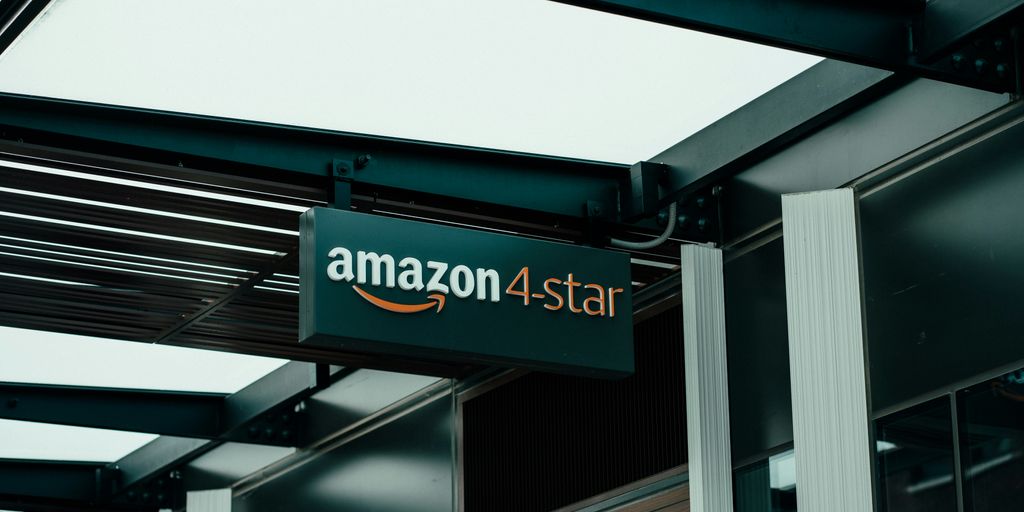
We’ve all seen them popping up – those Amazon Go stores. They’re pretty slick, aren’t they? The whole idea is to let you just grab what you need and walk out, with everything being charged automatically. It’s a neat trick, and honestly, it feels like the future of quick shopping trips.
It’s a bold move by Amazon, really pushing the boundaries of what a physical store can be. They’re trying to make the whole process as frictionless as possible, which is something we’ve come to expect from them, right?
The technology behind it, using cameras and sensors to track what you pick up, is quite something. It’s not perfect, mind you, and sometimes you get a notification about an item you didn’t actually take, but it’s getting there. It’s definitely a different experience compared to your usual supermarket run.
These stores are a big part of Amazon’s strategy to get a stronger foothold in physical retail, especially for groceries. They’re competing directly with places like Kroger and even Costco with their membership model. Amazon’s approach with Go is all about convenience and speed, trying to redefine how we do our quick shop.
We’re seeing other retailers looking at similar tech, too. It’s a sign that the way we shop is changing, and Amazon is right at the forefront of that. For a quick grab-and-go item, it’s hard to beat the speed, and we’re keen to see how this checkout-free concept develops further in the coming years. It’s certainly a fascinating space to watch, especially when you consider how it stacks up against traditional grocery shopping experiences. You can find out more about how these stores work on checkout-free stores.
20. Whole Foods
Right, so Whole Foods. We all know it as that place for organic kale and fancy cheese, right? Amazon snapped them up back in 2017, and it was a pretty big deal. It felt like Amazon was really serious about getting into the actual, physical grocery game, not just delivering it to our doors.
What’s interesting is how Amazon has tried to blend its tech wizardry with Whole Foods’ existing setup. Think about it: you can often get discounts if you’re a Prime member, and they’ve been rolling out more delivery options. It’s not always perfect, mind you. Sometimes the integration feels a bit clunky, like they’re still figuring out how to make the online and offline bits talk to each other smoothly. But the intention is clear – to make grocery shopping, whether online or in-store, as easy as possible.
We’ve seen them experiment with things like Amazon Fresh picking up Whole Foods orders, and even using some of the store’s locations for Amazon package returns. It’s a smart way to get more people into their physical stores, even if they’re just popping in for a quick return.
It’s a fascinating experiment in bridging the gap between digital convenience and the tangible experience of a supermarket. They’re trying to offer the best of both worlds, and it’s definitely changing how we think about grocery shopping.
Here’s a quick look at how it stacks up against some other big players in the grocery space:
| Competitor | Key Strength | Amazon Integration |
|---|---|---|
| Walmart | Massive store network, strong online presence | Competing for grocery delivery share |
| Kroger | Extensive loyalty program, own brands | Partnering for automated warehouses |
| Costco | Bulk savings, membership model | Indirect competition via Prime benefits |
It’s clear that Amazon’s ownership of Whole Foods isn’t just about selling more organic avocados; it’s a strategic move to build a more robust physical retail presence that complements their online empire. We’ll have to keep an eye on how this partnership evolves, especially as other supermarkets continue to up their game.
21. Amazon Prime Video
When we talk about streaming, Amazon Prime Video is definitely a big name we can’t ignore. It’s bundled with that Prime membership, which is pretty handy if you’re already getting your parcels delivered super fast. They’ve got a decent mix of movies and TV shows, plus their own original stuff, which is getting better all the time.
But honestly, the streaming world is packed. Netflix is still the king for many, with its endless supply of originals and a really slick interface. Then you’ve got Disney+, which has absolutely nailed it with the Marvel and Star Wars universes – my kids are glued to it. And Hulu? It’s got that mix of current shows and originals that’s hard to beat. It feels like everyone’s trying to outdo each other with exclusive content. We’re seeing a real arms race in the entertainment kingdom.
What Amazon does well is tie it all together. You get your streaming, your fast shipping, and other perks, all under one roof. It’s a smart way to keep people signed up.
We’ve noticed that the sheer volume of content can be a bit overwhelming, and sometimes finding something truly new and exciting feels like a challenge. It’s a crowded market, and standing out requires more than just a big library.
We’re always on the lookout for what’s next, and it’s interesting to see how these platforms are trying to grab our attention. For anyone looking to understand the video production side of things, checking out how these big players create their promotional content might give you some ideas on choosing the right video production company.
22. Helium 10
When we talk about tools that really help Amazon sellers get ahead, Helium 10 is definitely one we can’t ignore. It’s like having a whole team of researchers and analysts working for you, all packed into one platform. We’ve found that its suite of tools is pretty comprehensive, covering everything from finding profitable products to optimising your listings.
One of the standout features for us is the Black Box tool. It lets you sift through millions of products on Amazon, using filters like sales volume, review count, and even how competitive the niche is. This is brilliant for spotting opportunities that others might miss. Then there’s Cerebro, which is fantastic for keyword research. It shows you what keywords your competitors are using and how well they’re ranking for them. Understanding your competition’s keyword strategy is half the battle won.
We also use their tools to keep an eye on what other sellers are doing. The ability to track competitor keyword performance over time gives us a real insight into their strategies. It’s not just about finding products; it’s about understanding the market landscape. If you’re serious about competing on Amazon, you really need to look at what tools like Helium 10 offer. It’s a bit like having a secret weapon. For those looking for alternatives, Jungle Scout is a top contender in this space too.
23. Viral Launch
When we talk about really getting a product off the ground on Amazon, Viral Launch is a name that pops up a lot. It’s not just about listing your item; it’s about making sure it gets seen and, more importantly, bought. They offer a suite of tools designed to help sellers with everything from initial product research to launching and then optimising your sales.
We’ve found that understanding your competition is key, and Viral Launch provides ways to peek at what others are doing. For instance, you can analyse competitor keyword performance and pricing strategies. This kind of insight helps us figure out where the gaps are and how we can position our own products better. It’s about turning competitor data into our own advantage.
Here’s a quick look at what they help with:
- Product Research: Finding profitable niches and understanding demand.
- Keyword Research: Identifying the terms customers actually use.
- Listing Optimisation: Making sure your product pages are compelling.
- Launch Support: Getting your product noticed right from the start.
- Market Intelligence: Keeping an eye on trends and competitor moves.
It’s easy to get lost in the sheer volume of data available for Amazon sellers. Tools like Viral Launch help cut through the noise, focusing on the metrics that actually move the needle for sales and visibility. They aim to simplify the complex process of selling online, making it more accessible for everyone.
For anyone serious about scaling their Amazon business, understanding these tools and how to use them effectively is a big step. It’s about working smarter, not just harder, and Viral Launch definitely aims to be part of that smarter approach. We’ve seen how crucial it is to have a solid plan for launching a new product, and this is where services like Viral Launch really come into their own.
24. AMZScout
When we’re looking at tools to help us get ahead on Amazon, AMZScout definitely pops up. It’s pretty straightforward, offering a solid set of features that can really help us understand what’s going on with our competitors and the market in general. We’ve found its product tracker and keyword research tools particularly useful for getting a handle on sales volumes and what terms people are actually searching for.
What we like is how AMZScout simplifies things. It’s not overly complicated, which is a breath of fresh air when you’re trying to juggle a million things. For anyone just starting out or even those of us who’ve been doing this a while, it provides a clear way to improve our strategies. It’s a good shout for keeping an eye on rivals and spotting opportunities we might otherwise miss. You can get a good feel for the competitive landscape and make more informed decisions about your own products. It’s all about making data work for us, and AMZScout helps with that. We’ve seen it mentioned alongside other big names like Jungle Scout and Helium 10, and it holds its own, especially for its ease of use. It’s a tool that helps us streamline our research and keep our business moving forward.
We found that AMZScout’s strength lies in its ability to present complex data in an easily digestible format. This makes it a go-to for sellers who want actionable insights without getting bogged down in technicalities. It’s about making smart moves based on what the data tells us.
Here’s a quick look at what we use it for:
- Competitor Analysis: Keeping tabs on what other sellers are doing, their pricing, and their best-selling items.
- Product Research: Identifying new products with good sales potential and low competition.
- Keyword Tracking: Understanding which keywords are driving traffic and sales for both us and our competitors.
- Sales Estimations: Getting a realistic idea of how well products are performing in the market.
It’s a tool that helps us stay competitive and adapt to the ever-changing Amazon environment. For anyone serious about growing their Amazon business, checking out tools like AMZScout is a smart move. You can find out more about how to build your e-commerce business on Business Quick Magazine.
25. Jungle Scout and more
When we talk about staying ahead in the Amazon game, tools like Jungle Scout are pretty much indispensable. We’ve found that it’s not just about listing products; it’s about understanding the entire ecosystem. Jungle Scout offers a really solid suite of features that help us get a handle on what our competitors are up to. Think product tracking, sales volume analysis, and even uncovering those golden keywords they’re using. It’s like having a cheat sheet for the marketplace.
We also look at other players in this space, like Helium 10 and Viral Launch. Each has its own strengths, but they all aim to give sellers that competitive edge. For instance, Helium 10’s Black Box tool is brilliant for digging into product research, letting us filter through millions of items to spot opportunities. And Viral Launch? It’s great for understanding market trends and optimizing listings. It’s a crowded field, and having these tools makes a real difference in how we approach our strategy.
It’s easy to get lost in the sheer volume of data available, but the key is to use these tools to find actionable insights. We focus on identifying gaps in the market and understanding customer demand, rather than just blindly copying what others are doing. This approach helps us build a more sustainable business.
Beyond the direct competitor analysis tools, we also keep an eye on broader market trends. For example, understanding how artificial intelligence is shaping search behaviour is becoming increasingly important for SEO. Tools that can help us adapt to these changes, like those that analyze natural language search patterns, are becoming more valuable. We’re always on the lookout for ways to refine our approach and stay ahead of the curve, and that often means exploring new tools and techniques as they emerge. It’s a constant learning process, and we’re excited to see what else comes along to help us compete effectively.
So, What’s Next?
Right then, we’ve had a good look at who’s really giving Amazon a run for its money in 2025. It’s pretty clear that while Amazon is still a massive player, it’s not the only game in town anymore. We’ve seen how Walmart is using its physical stores to its advantage, Alibaba is absolutely crushing it in China, and Shopify is giving sellers a real alternative. Plus, in the cloud world, Microsoft Azure is right there, nipping at AWS’s heels. It’s a busy marketplace out there, and it’s going to be interesting to see how all these companies keep pushing each other. For us, it just means more choice and better deals, which can’t be a bad thing, can it?
Frequently Asked Questions
Who are Amazon’s biggest rivals in 2025?
In 2025, we see major players like Walmart and Alibaba as key rivals. Walmart is strong in physical stores and online shopping, while Alibaba is a giant in China’s online market. Shopify also helps many small businesses sell directly to customers, which is a different way of doing things compared to Amazon.
How do Walmart and Alibaba really challenge Amazon?
Walmart uses its many physical shops to let people buy online and pick up in store, or get things delivered quickly. This is a big deal for convenience. Alibaba, on the other hand, is huge in China and connects businesses with buyers, offering different ways to sell that Amazon doesn’t focus on as much globally.
What makes Shopify and eBay different from Amazon for sellers?
Shopify lets sellers create their own online shops, giving them more control over their brand and customer relationships. eBay is known for auctions and used goods, which attracts different buyers and sellers. Both offer ways for sellers to grow without being completely tied to Amazon’s rules and fees.
How does Microsoft Azure stack up against Amazon Web Services (AWS)?
Microsoft Azure is a strong competitor to AWS in the cloud computing world. While AWS is the leader, Azure has a significant share of the market. This competition means more choices and often better prices for businesses needing cloud services, pushing both companies to innovate.
Are there other types of companies competing with Amazon?
Yes, absolutely. In streaming, services like Netflix, Disney+, and Hulu compete with Amazon Prime Video for our attention. In physical stores, places like Target, Costco, and Kroger offer different shopping experiences and compete for our grocery and everyday shopping needs.
What about tools that help sellers on Amazon?
There are also companies that help sellers succeed on Amazon itself. Tools like Helium 10, Viral Launch, AMZScout, and Jungle Scout help sellers research products, understand keywords, and keep an eye on what competitors are doing. They are important allies for sellers trying to stand out.